Famous Filming Locations Near UNTITLED
September 28, 2026
4 min read


Nowadays Lower East Side rooftops are dotted with water towers, heating units and the occasional garden but a century ago these same rooftops were an extension of the neighborhood below them. Long before the New York rooftop became synonymous with cocktails and skyline views, it offered an essential relief from the stifling apartments below. On hot summer nights, laundry stretched between buildings, children played, neighbors gossiped and families escaped the heat to watch the city from above.
By the late nineteenth and early twentieth centuries, the Lower East Side had become one of the most densely populated neighborhoods in the world.
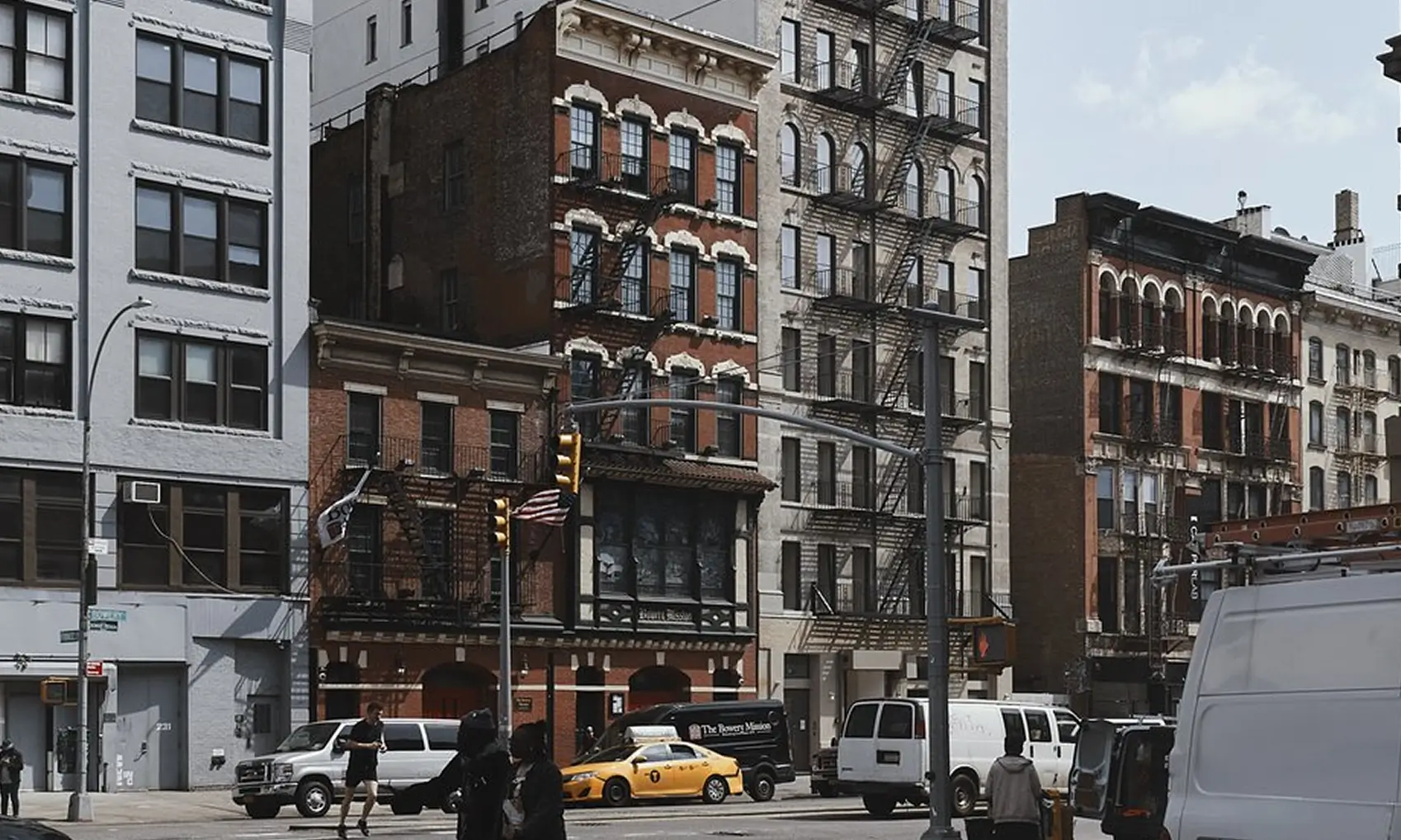
Waves of immigrants arriving in New York crowded into tenement buildings, where apartments were small and poorly ventilated. At 97 Orchard Street, now preserved by the Tenement Museum, it was common for large families to live within just a few hundred square feet.
Summer made those conditions considerably worse. There was no air-conditioning, and escaping the city for the season was a luxury working-class families couldn't afford. Heat collected inside the buildings during the day and lingered long after the sun disappeared. Former 97 Orchard resident, Archie Friedberg, remembered his top-floor apartment being baked by the sun until it “felt like an oven.”
So people went outside. They sat on stoops and fire escapes, opened hydrants in the street and, whenever they could, climbed upward in search of fresh air. In this way, rooftops operated as a kind of shared backyard in the sky, an extra room belonging, informally, to everyone in the building. This norm became so embedded in New York life that institutions began looking upward too.
In the early twentieth century, several public libraries in the crowded Lower East Side opened rooftop reading rooms for children during the summer. Instead of staying inside, young readers could take their books upstairs into the open air.
In 1910, The New York Times declared the Lower East Side rooftops “welcome oases” in the city's “desert of roofs,” as theaters, hospitals, cafés, tenements and private buildings increasingly transformed their roofs into gardens and open-air spaces. The neighborhood’s settlement houses were credited by the Times as “pioneers” of the rooftop movement.
New Yorkers had discovered in a city perpetually short on space, there was an enormous amount of it sitting unused overhead. But as the Lower East Side changed, so did life above it.
Over the decades that followed, a sudden increase in playgrounds gave children other places to play, while housing regulations improved ventilation and sanitation inside tenements. Electricity, fans and, eventually, air-conditioning made retreating to the roof on a summer night less necessary. But the rooftop itself never disappeared from the New York imagination.
The improvised domestic spaces of the tenement era became artists' retreats, gardens, terraces, restaurants and bars. For generations, people on the Lower East Side have climbed above the street looking for much the same thing; company and a little room to breathe. Today, the view comes with considerably more comfortable seating.
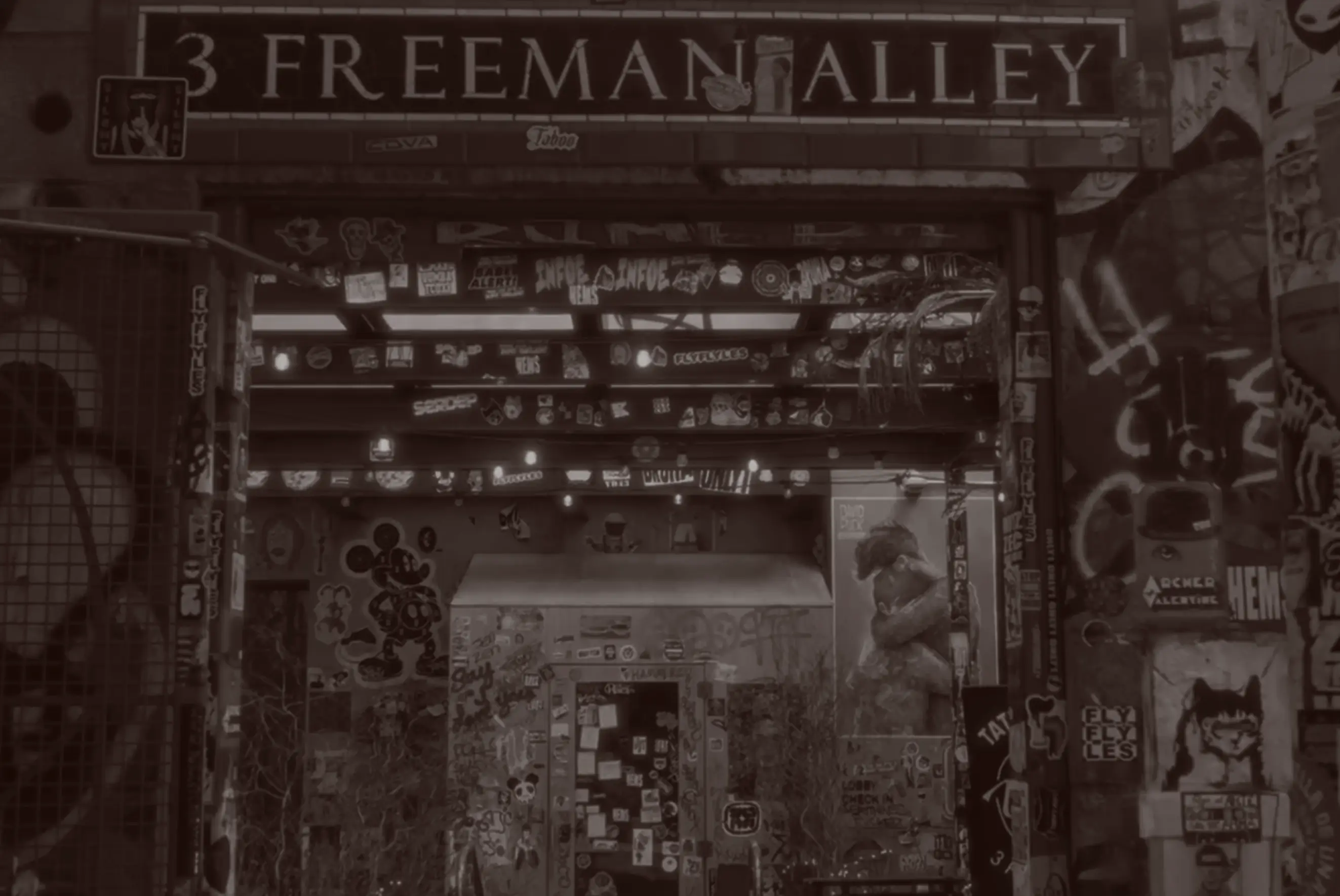
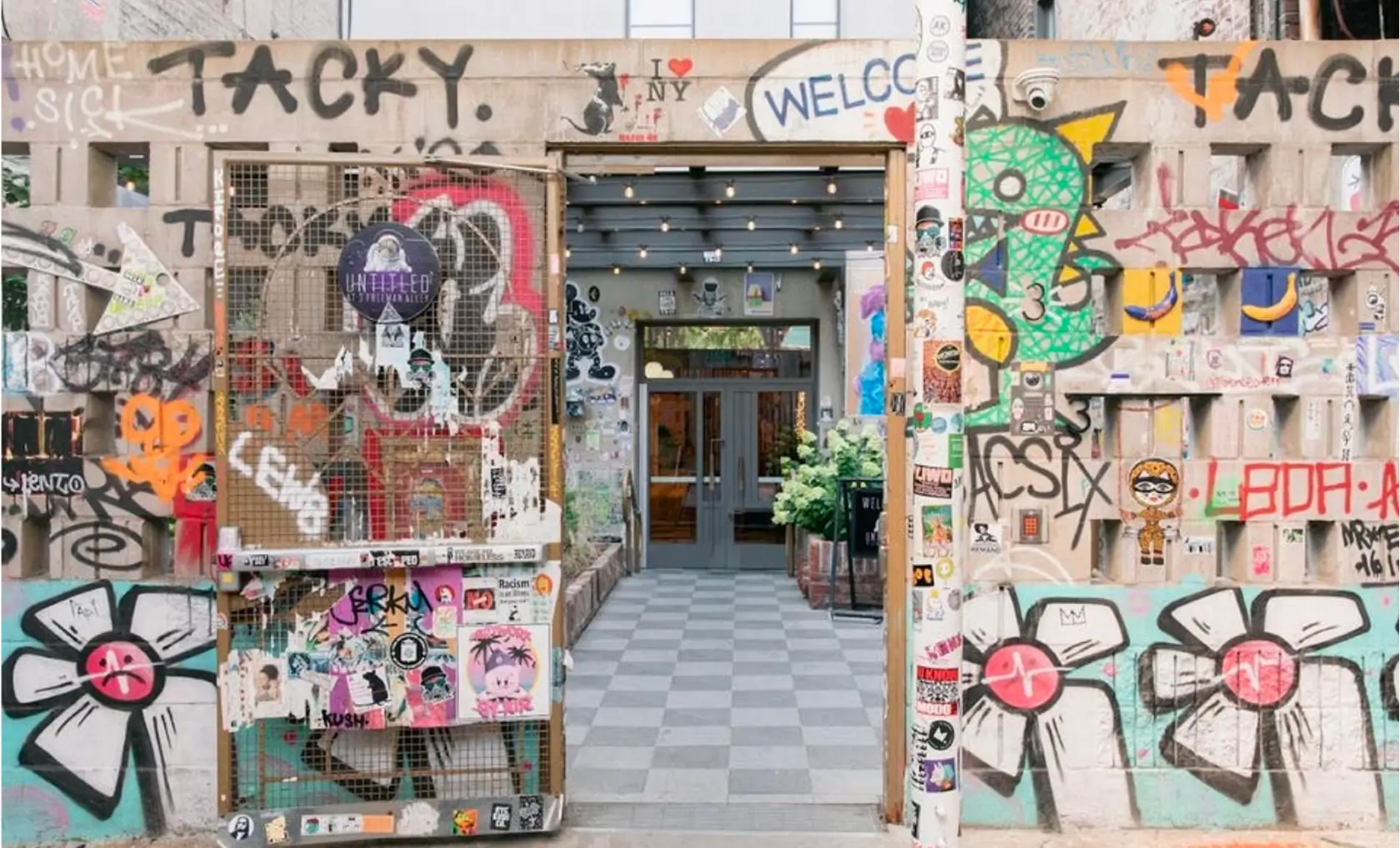
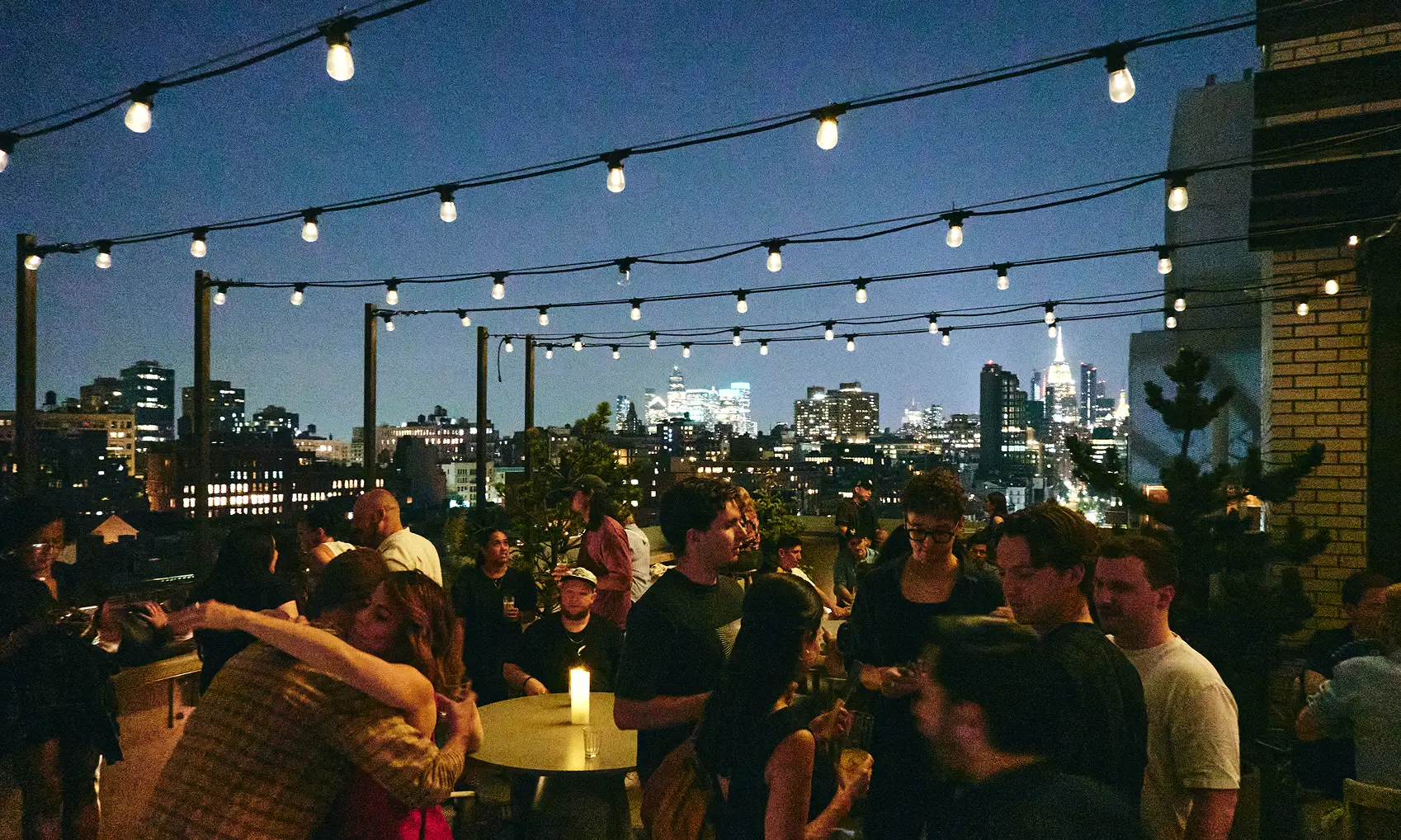
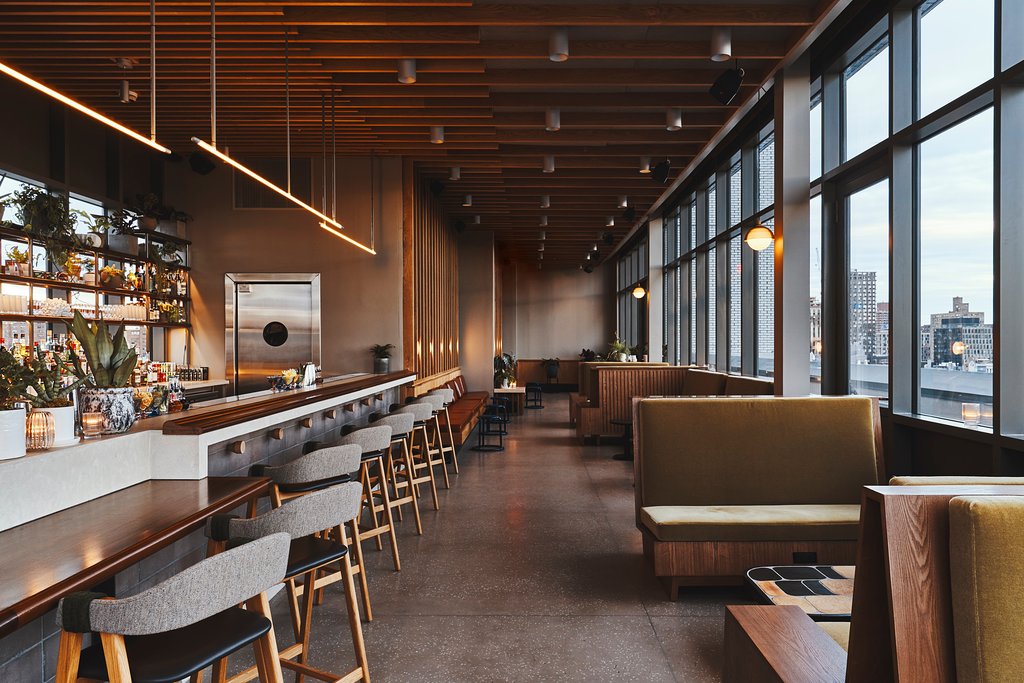
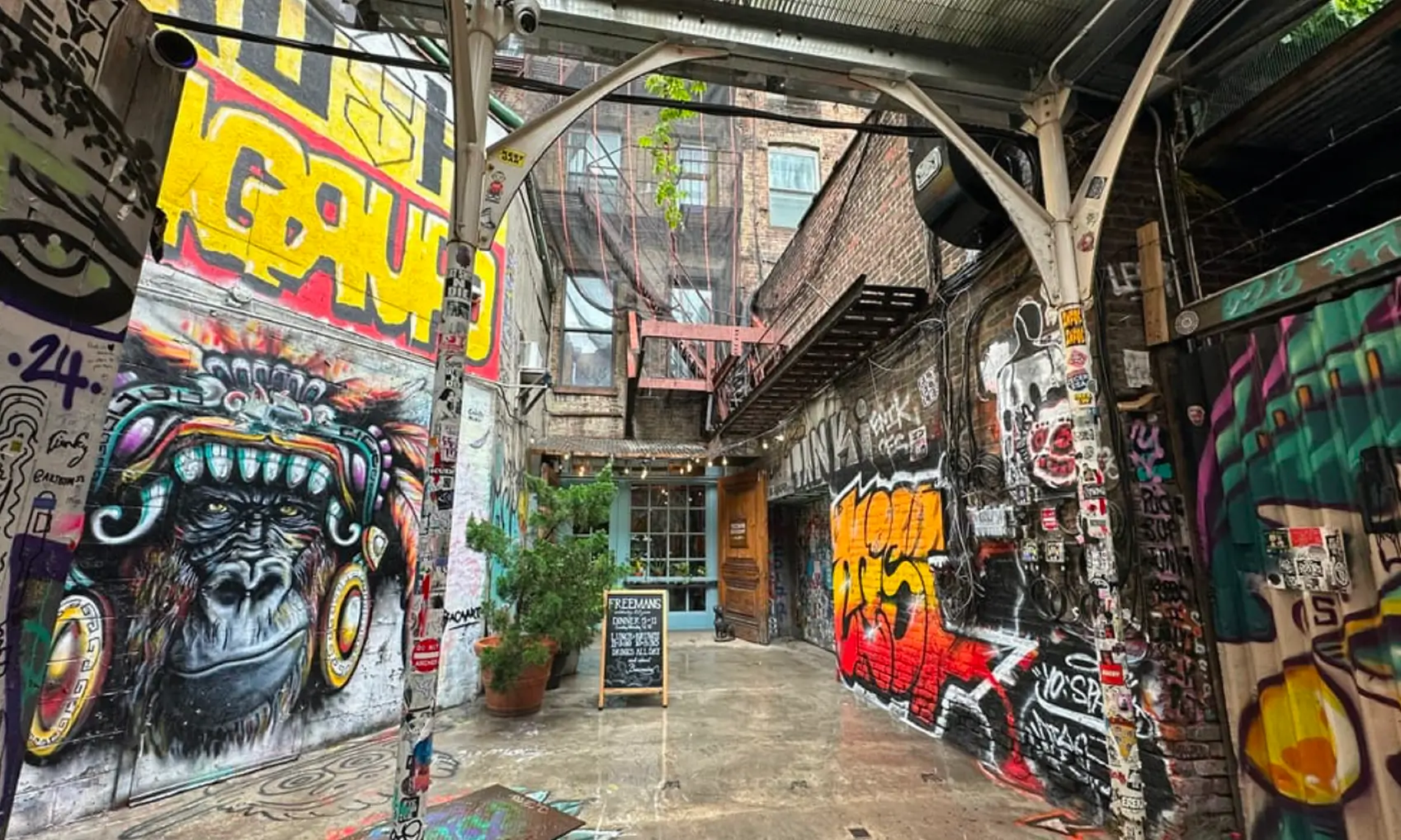
Above Freeman Alley, UNLISTED, UNTITLED's rooftop bar, looks out across the same dense patchwork of Lower East Side rooftops that once held laundry lines, pigeon coops and families escaping the summer heat.
The neighborhood below has changed almost beyond recognition, but the impulse to climb above it hasn't. Come up for a drink, stay for the view, and take a moment to take in the rooftops around you. A century of New Yorkers have been doing the same thing.
Discover more stories about art, culture, and life around Freeman Alley.
Untitled Gallery
%201.webp)
%201.webp)